

The Future Stella Refuses to Surrender: Why Cyprus’s small-scale fishers are fighting for survival
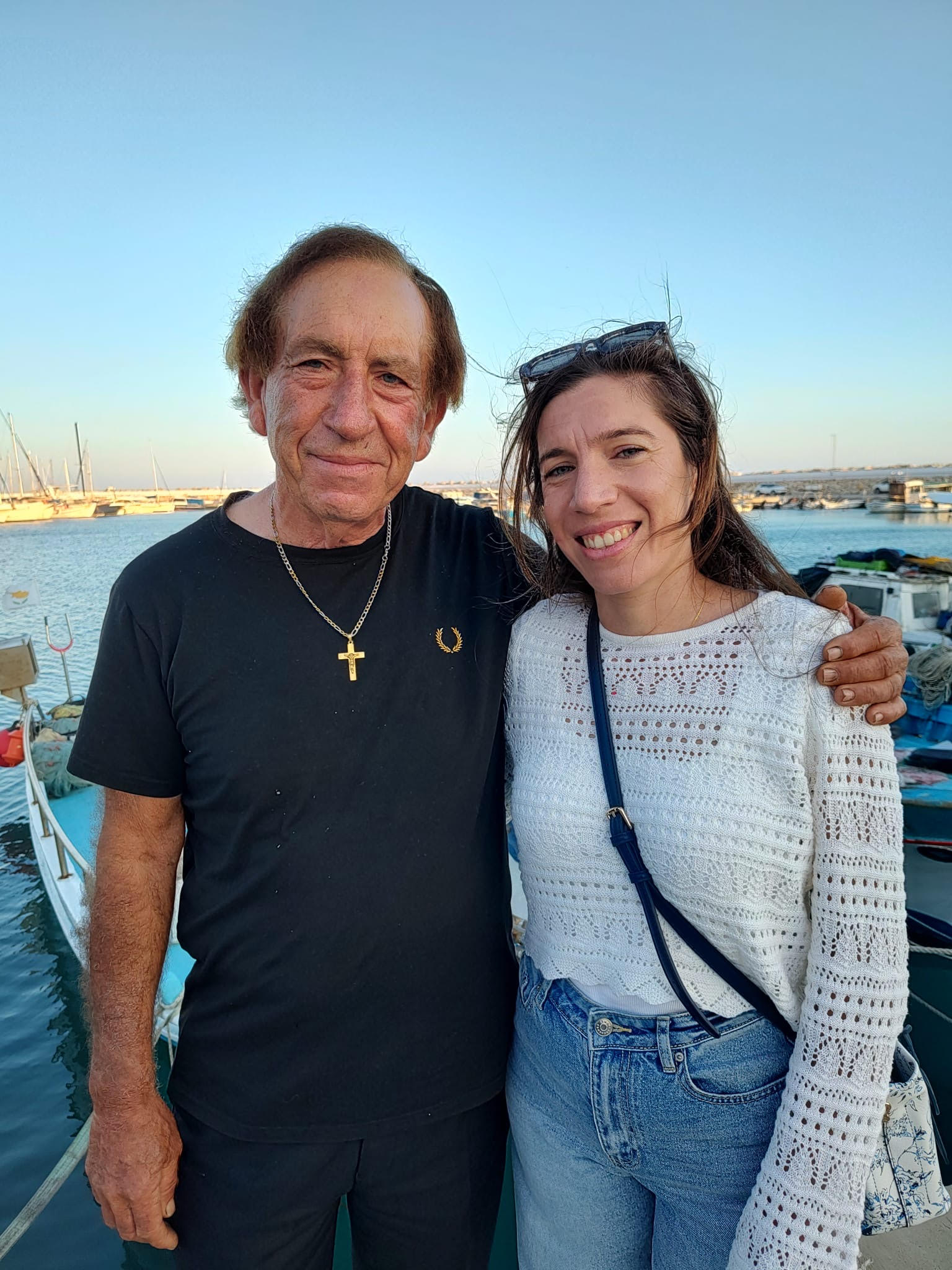
Photo: Stella and her father
By Stella Stylianou, Small-Scale Fisher and Member of Zygi Association of Professional Fishers
Voices from the Sea is an op-ed series amplifying the perspectives of small-scale fishers engaged in the Make Fishing Fair campaign. Each month, a fisher will share their experience of working at sea, the realities of small-scale fishing in their country, and what must change to secure a fair and sustainable future for fishing in Europe.
I was born and raised in Cyprus, an island where the sea is not simply part of the landscape—it shapes who we are. For most of my life, the fishing shelter of Zygi has been my second home. My father is one of the area’s traditional fishers, and throughout my childhood, our fishing boat was our family’s only source of income.
I first stepped aboard at the age of eight. Back then, it was rare to see a girl on a fishing boat. As I grew older, I began helping my father whenever I could, joining him in his daily work at sea. What started as a childhood passion became a lifelong commitment.
After graduating in Political Sciences with a specialization in Fisheries Policy, I hoped to build a career in my field. But like many young people in Cyprus, I struggled to find opportunities that matched my qualifications. In the end, I returned to what I loved most and became a full-time fisherwoman.
Today, I also support the Zygi Association of Professional Fishers, helping organize its work and advocating for fishers’ rights at local, national, and European levels.
For small-scale fishers like us, the challenges are mounting on every front. Fish stocks are declining. Weather patterns are becoming more unpredictable. Fuel costs continue to rise. Income is unstable.
In Zygi, these pressures are intensified by local realities. The development of large-scale gas infrastructure has dramatically reduced the fishing grounds available to us. Areas where we once worked freely are now restricted, forcing fishers into increasingly crowded waters. The result is greater pressure on fish stocks, higher operating costs, and growing frustration among those whose livelihoods depend on the sea.
We are not opposed to development but the fishing community should not become collateral damage in the pursuit of economic growth. We are asking for balance, accountability, and inclusion, and have repeatedly raised concerns about the environmental risks and social consequences of these projects. Yet too often, our voices remain unheard.
I have watched experienced fishers leave the profession because they can no longer support their families. The most worrying consequence is that young people see no future in fishing. They witness long hours, declining incomes, and little institutional support. Without meaningful action, there will be no next generation of fishers.
Fishing communities are more than economic actors. They preserve knowledge, culture, traditions, and identities that have shaped coastal societies for generations. On islands like Cyprus, fishers are part of the social fabric.
For me, fairness in fisheries means more than sustainability targets and policy documents. It means ensuring that the people who depend on the sea are able to earn a decent living and participate in decisions that affect their future.
We need a more holistic approach—one that balances environmental protection, economic viability, and social justice. We need policies that recognize the human dimension of fisheries. We need decision-making processes that are more democratic, inclusive, and responsive to the realities faced by coastal communities.
Across the continent, small-scale fishers face many of the same challenges. By working together, sharing experiences, and building alliances, we can strengthen our collective voice and learn from one another. European networks and movements provide opportunities not only for advocacy, but also for mutual support and innovation.
As I look at my father and his generation, I cannot ignore a troubling possibility: unless we act decisively and soon, they may become the last generation of fishers in Europe.
That outcome is not inevitable. But preventing it requires courage, cooperation, and political will.
The sea has sustained our communities for generations. Now it is time for society to stand with the people who have spent their lives sustaining the sea.
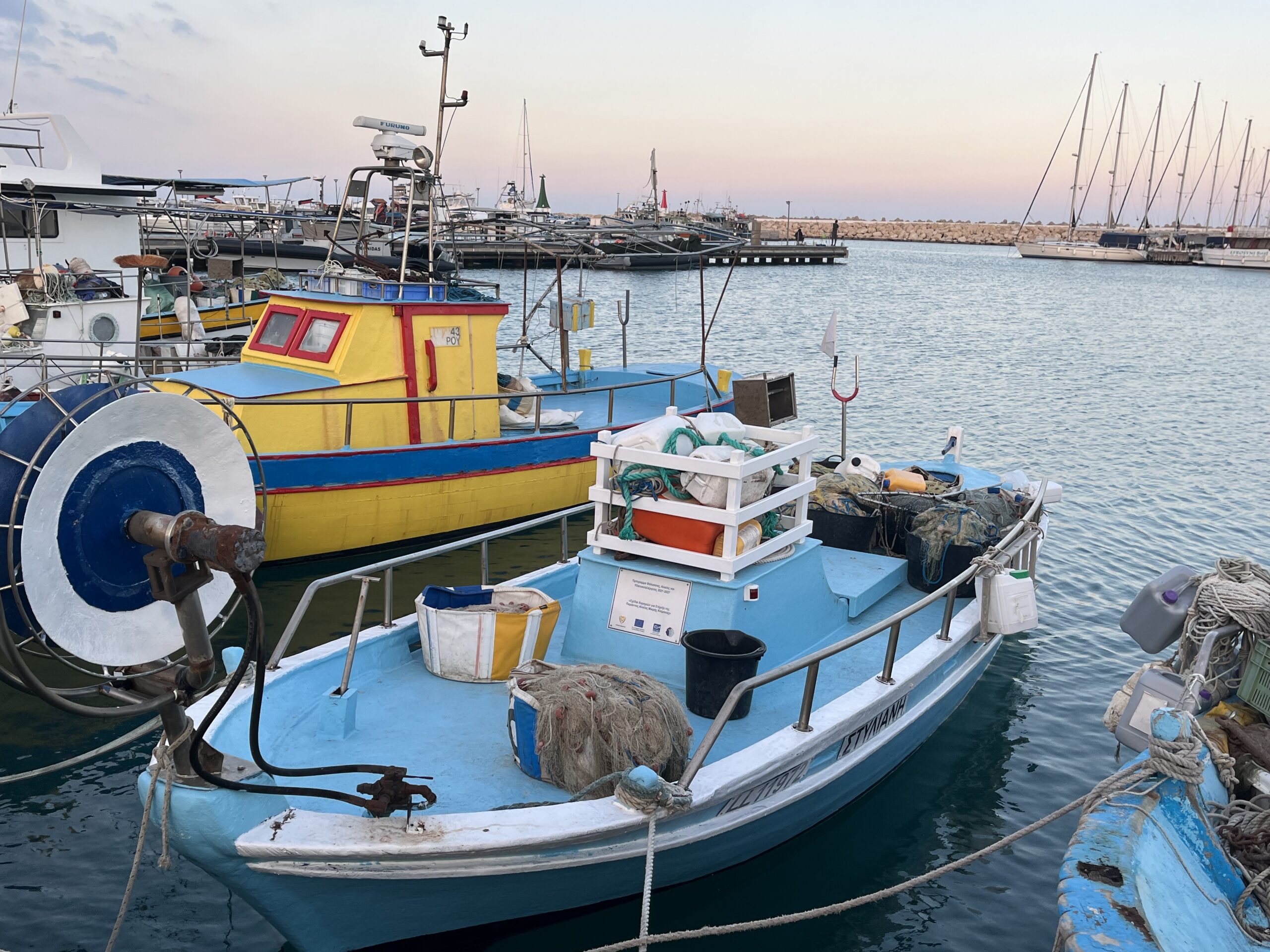
Photo:The port of Zygi, Cyprus
 English
  Croatian
  Dutch
Dutch  French
  German
  Greek
Greek  Italian
  Polish
  Spanish