

Access, Quotas, and the Future of Small-Scale Fishing in Norway
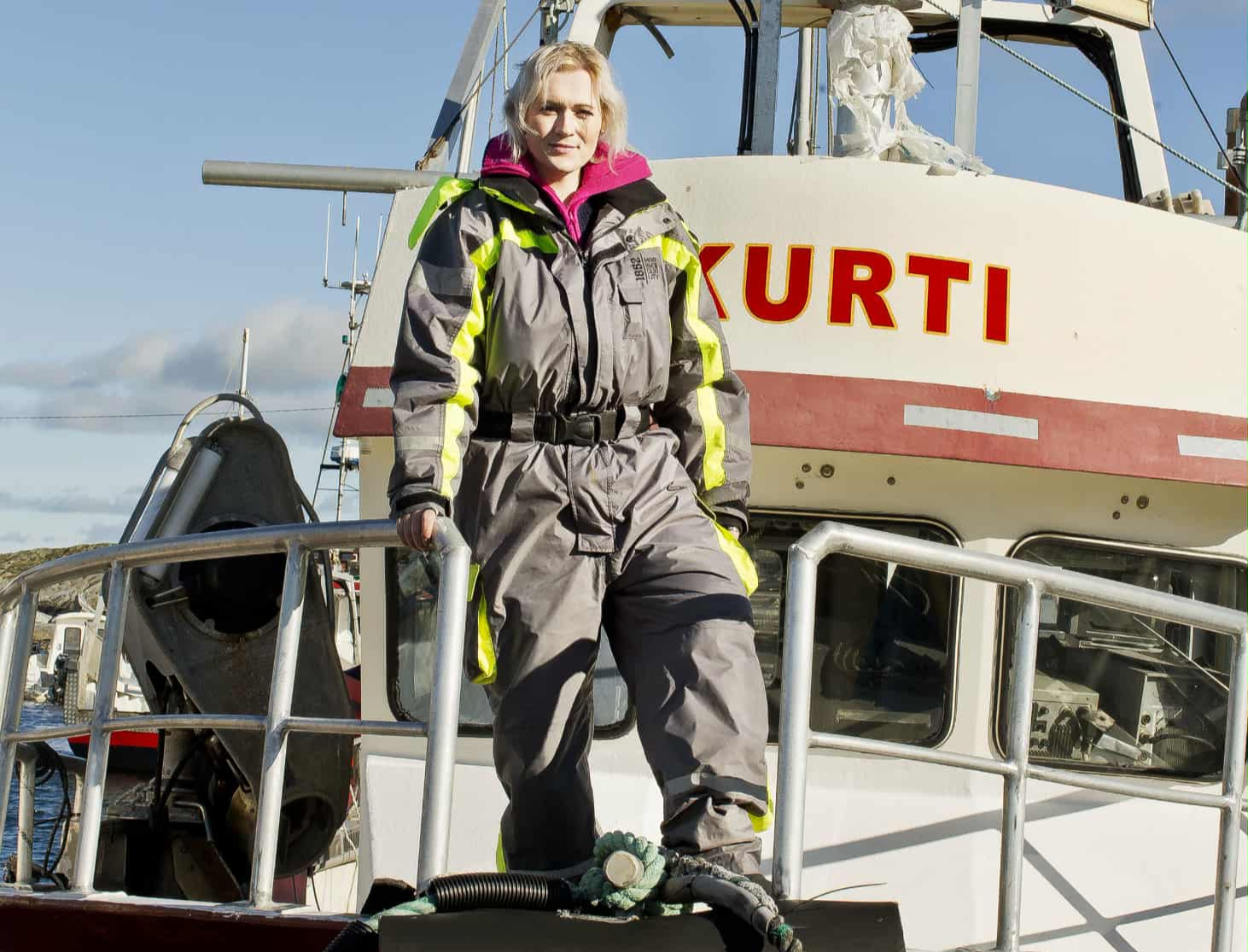
Photo Credit: Solfrid Sande
By Alice Helleberg, Small-Scale Fisher and Advocate
Voices from the Sea is an op-ed series amplifying the perspectives of small-scale fishers engaged in the Make Fishing Fair campaign. Each month, a fisher will share their experience of working at sea, the realities of small-scale fishing in their country, and what must change to secure a fair and sustainable future for fishing in Europe.
I grew up in the Norwegian countryside between Bergen and Stavanger, near the coast, but fishing was not part of my childhood. I trained and worked in healthcare and expected to continue in that field, until 2010, when I met my husband, a third-generation fisherman.
We had discussed that I might join him on the boat the following winter on a limited basis to gain experience. As winter approached and my husband purchased a new vessel, we began to consider whether I might take over his older boat. What started as a tentative idea quickly became a concrete plan, and within three months I became the owner of my first fishing vessel.
In February 2015, we set out from the west coast of Norway on a long transit north to Northern Norway. I did so with no prior experience in either fishing or vessel operation. The learning curve was steep, and there was little room for delay. From the first day, I had to assume full operational responsibility. I learned by doing, adapting quickly, and building competence through daily practice, an approach that shaped both my confidence at sea and my long-term commitment to the profession.
I am aware that I entered the industry with advantages. I had financial stability and support, and I did not face many of the barriers that others, particularly women, encounter. Even so, fishing remains a profession where credibility is earned through competence. Responsibility, consistency, and experience are essential, regardless of gender.
Today, my husband and I own three vessels. On my boat, I am responsible for daily operations. We primarily fish red crab and brown crab and manage the entire value chain ourselves, from harvesting and cooking to sales and direct customer contact.
During crab season, my days begin before 4:30 am and include cooking, fishing, logistics, family responsibilities, and order fulfillment. In the winter, we relocate north for months at a time, working according to weather and seasonal conditions. The work is demanding, but it is structured, skilled, and deeply rooted in tradition.
I became involved in fisheries organisations not to seek influence, but to ensure that regulations reflect realities at sea. Changes in policy have immediate consequences for coastal fishers, yet decisions are often made far from fishing communities. When practical experience is excluded, regulations risk creating unnecessary conflict or inefficiency.
I have also seen how effective policy can improve conditions. Through organisational work, we have contributed to improved regulations for gill net fishing along the coast. Limits on the number of nets in fjords have reduced conflict, improved safety, and created better conditions for small-scale fishers. When regulations are grounded in real operational knowledge, they tend to benefit both fisheries and resource management.
Environmental change is now one of the most significant factors shaping our work. Cod stocks have shifted northward, and water temperatures are higher than before. Areas that once supported local fishing now require long-distance travel to regions such as West Finnmark. These changes highlight how dependent fisheries are on healthy marine and environmental ecosystems.
This makes cooperation essential, between fishers, scientists, and policymakers, and across national borders. Fish stocks do not follow political boundaries and its sustainable management depends on shared knowledge and long-term thinking.
Despite the challenges, I am not pessimistic about the future of fishing in Norway. More young people are entering the industry and the number of women continues to grow. Fishing has provided me with professional purpose, technical competence, and a strong connection to coastal communities. It has also reinforced the importance of advocating for fair, informed, and practical fisheries management.
I have chosen to be a fisher. Continuing to choose it means also committing to the advocacy required to ensure that small-scale fishers, and especially women, have the rights, recognition, and influence necessary to sustain both their livelihoods and the coastal communities that depend on them.
 English
  Croatian
  Dutch
Dutch  French
  German
  Greek
Greek  Italian
  Polish
  Spanish