

Fischen für die nächste Generation fair machen: Die Gründung des LIFE-Jugendnetzes
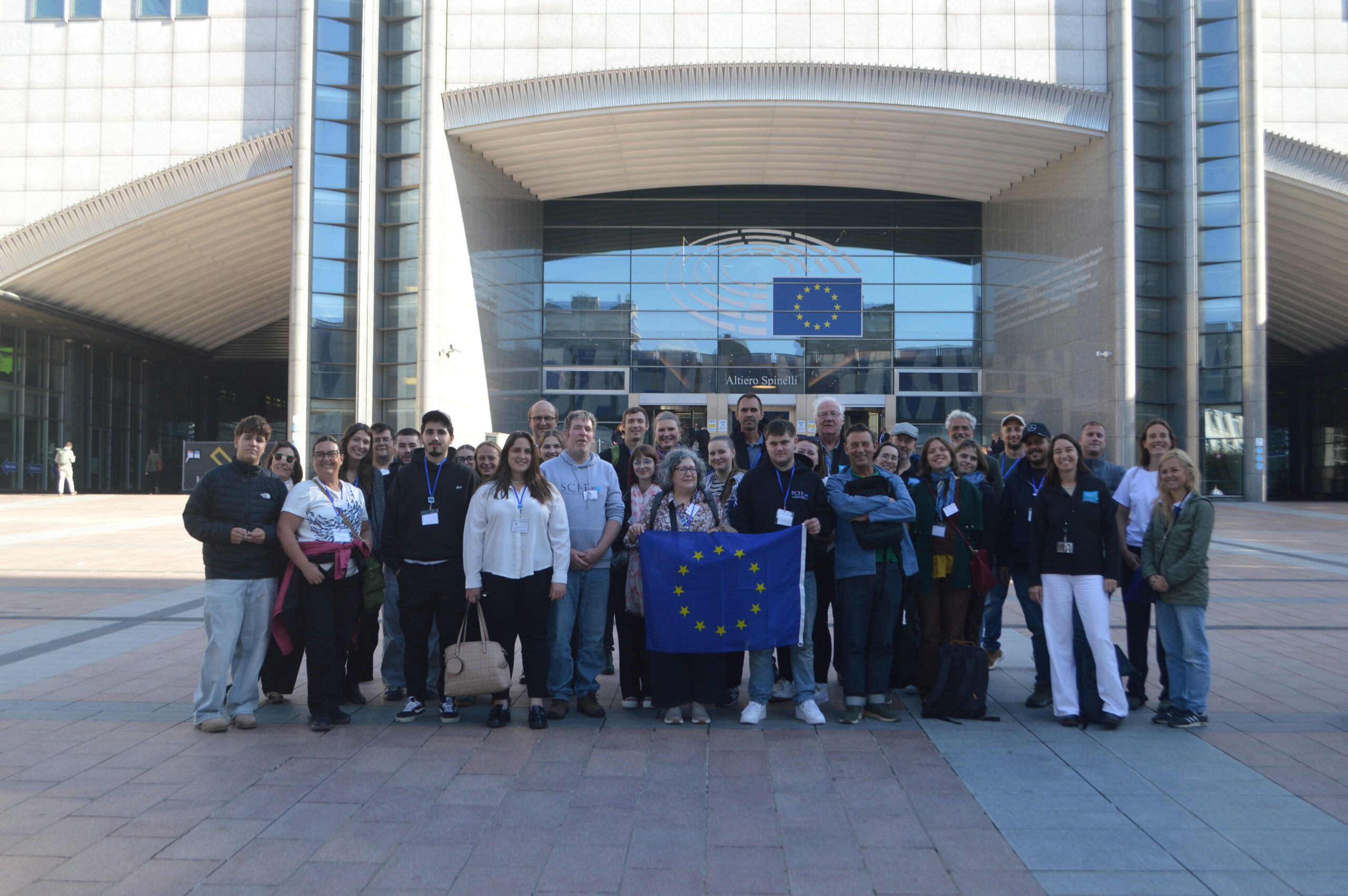
Young fishers from across Europe have launched the LIFE Youth Network, calling for fairer fisheries policies, a legally binding EU Action Plan for Small-Scale Fisheries, and a permanent seat at the table where decisions about their future are made.
A new generation is stepping forward to shape the future of European fisheries. On 12–13 October, young fishers, shellfish gatherers and community advocates from across Europe gathered in Brussels to launch the Low Impact Fishers of Europe (LIFE) Youth Network, creating a united platform to ensure that young people have a stronger voice in the decisions affecting their livelihoods and coastal communities.
The launch took place as part of the Make Fishing Fair Youth Summit, bringing together 20 young representatives from Croatia, France, Germany, Ireland, Italy, Poland, Spain, Norway and the United Kingdom. They were joined by 10 experienced small-scale fishers, connecting generations around a shared commitment to resilient coastal communities and low-impact fishing.
Over two days, participants brought their concerns and ambitions directly to senior EU policymakers, including European Commission Director-General for Maritime Affairs and Fisheries Charlina Vitcheva and Members of the European Parliament.
Their message was clear: young fishers are ready to shape the future of the sector, but they need fair policies and meaningful opportunities to make their voices heard.
Making fishing fair for the next generation
For young people entering the fishing sector, the challenges are considerable. Access to fishing opportunities, training and the skills needed to establish a livelihood can be difficult to secure. At the same time, young fishers need equal social rights and the opportunity to build a viable future in their coastal communities.
During the summit, young delegates identified several priorities for change, including fair access to fishing opportunities, publicly funded training supported by structured mentoring and apprenticeships, and equal social rights for all fishers and fishworkers.
These priorities reflect a wider challenge for European fisheries: ensuring that the next generation can enter the sector, make a decent living and sustain the communities, knowledge and traditions that depend on small-scale fishing.
Protecting the future of small-scale fisheries
A central priority for the newly established network is to ensure that EU fisheries policy recognises the fundamental differences between low-impact small-scale fishing and large-scale industrial operations.
The network is calling on EU institutions to **maintain the existing EU definition of small-scale coastal fishing**, as set out in the European Maritime, Fisheries and Aquaculture Fund (EMFAF). This definition covers fishing vessels under 12 metres that do not use towed gear, as well as fishers on foot, including shellfish gatherers.
Maintaining this definition is important to ensuring that small-scale fishing communities remain visible in EU policy and that measures intended to support the sector are appropriately targeted.
The network is also calling for the inclusion of a **legally binding EU Action Plan for Small-Scale Fisheries within the forthcoming Ocean Act**. Such a plan should recognise the specific needs and realities of low-impact small-scale fisheries and establish a clear framework for supporting their future.
For Make Fishing Fair, these demands go to the heart of a fairer and more sustainable fishing sector: fisheries policies must recognise the diversity of fishing activities and ensure that small-scale, low-impact fishers have a fair opportunity to access resources, contribute to decision-making and sustain their livelihoods.
Young people must have a voice in fisheries governance
The network’s demands extend beyond individual policy measures. Its members are calling on national governments and EU institutions to support meaningful youth participation and establish a formal, permanent role for young people in European fisheries governance.
Their call was echoed at a European Parliament public hearing on *“Stepping up the EU’s support to small-scale fisheries”*. Members of the European Parliament Isabella Lövin (Greens/EFA) and Luke Flanagan (The Left) urged the Committee on Fisheries to put generational renewal at the heart of its agenda.
The message is an important one: young people should not simply inherit the consequences of today’s fisheries policies. They must have a meaningful role in shaping the decisions that will determine the future of their profession and their communities.
Turning ambition into lasting change
Following its launch, the network will focus on establishing its governance and ways of working to ensure that it can deliver lasting structural change for its members.
As Europe considers the future of its oceans and fisheries, the voices of young small-scale fishers must be part of the conversation. Fair access to fishing opportunities, decent working conditions, effective support for new entrants and a meaningful role in decision-making are essential to building resilient coastal communities and a fishing sector that future generations can continue to depend on.
The future of fisheries is being shaped today. Making fishing fair means ensuring that the next generation has both the opportunity and the power to shape it.
 German
  English
  Croatian
  Dutch
Dutch  French
  Greek
Greek  Italian
  Polish
  Spanish